
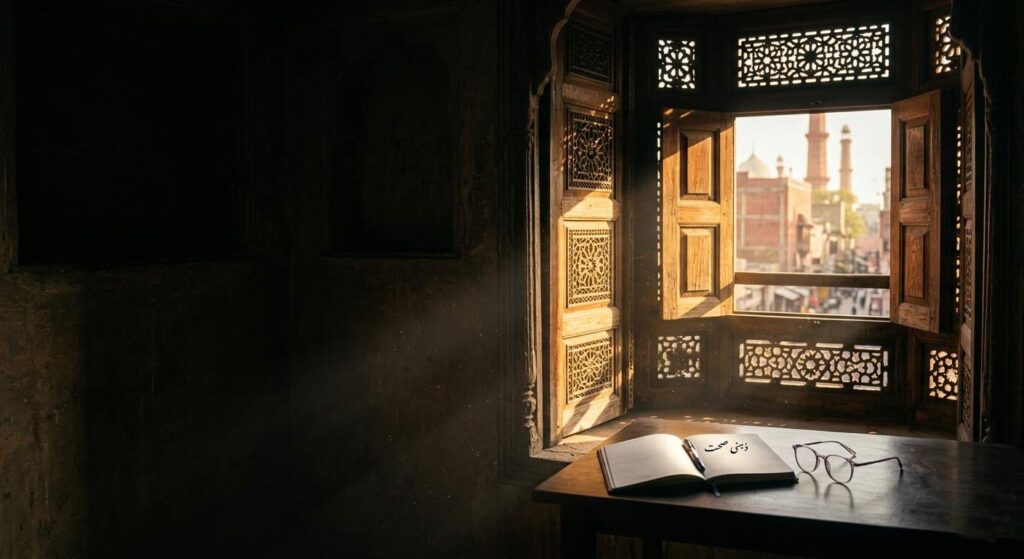
Why We Are Silent: The Reality of Mental Health in Pakistan
4 cultural myths keeping millions from getting the help they deserve — and what you can do about it.
In Pakistan, the topic of mental health is often met with silence, confusion, or quiet dismissal. A broken bone gets immediate care. A broken mind is told to “pray more” or “think positive.” But psychological pain — left untreated — does not stay silent forever.
The Silence Before the Storm
Many people notice the signs — the persistent sadness, the creeping anxiety, the inability to focus at work or connect with loved ones. But they choose to wait, hoping time alone will heal everything. According to Chughtai, this delay is where the real damage is done. By the time most patients arrive at his clinical psychology practice in Lahore, they have already experienced:
- Breakdown in professional performance
- Damaged relationships with family and partners
- Financial instability caused by reduced functioning
- Physical health complications directly linked to untreated stress
Early intervention — even for what feels like a “small” problem — is almost always more effective, faster, and less costly than waiting for a crisis point.
4 Cultural Myths Blocking Mental Health in Pakistan
These are not just individual beliefs — they are deeply embedded social patterns that silence those who need help most. Recognising them is the first step to changing them.
“Your Iman (Faith) Is Weak”
Spirituality can be a powerful source of support — but it is not a substitute for medical care. Mental illness is a clinical condition that can affect even the most devout individuals. A person with diabetes needs insulin, not just dua. The same principle applies to depression and anxiety.
“Only Paagal (Crazy) People See a Psychologist”
Visiting a therapist in Lahore does not mean you are “crazy.” It means you are taking your health seriously. Therapy is used by students, executives, athletes, and parents — ordinary people managing ordinary life struggles more effectively.
“I’ll Go When Things Get Really Bad”
Waiting for a breakdown is like waiting until a small fire becomes an inferno before calling for help. Addressing early symptoms — social anxiety, low self-esteem, poor time management — not only prevents severe illness but actively improves performance and quality of life.
“Mental Health Is a Rich (or Poor) Person’s Problem”
Mental health does not discriminate by wealth, class, or education. Depression, anxiety, OCD, and trauma affect a factory worker in Sheikhupura just as readily as a CEO in DHA Lahore. Accessible therapy options exist across a range of budgets.
Seeking help is not a sign of weakness — it is the single bravest thing you can do for yourself and for the people who depend on you.
— Ahmad Ali Chughtai, Clinical Psychologist, Lahore
The Root Cause: Trauma and the Values We Hold
At the core of most mental health conditions, Chughtai identifies one common thread: trauma. Trauma is not always a dramatic event. It is the loss — or threatened loss — of something we deeply value: a relationship, a career, a sense of safety, an identity.
When the mind cannot process that loss, it does not simply “move on.” It stores it. It re-lives it. It begins to distort thought patterns, emotional responses, and behaviour — which is precisely what evidence-based therapies like CBT (Cognitive Behavioural Therapy) and DBT (Dialectical Behaviour Therapy) are designed to address.
Why Mental Health Is Physical Health
The mind-body connection is not a metaphor — it is biology. Chronic psychological stress triggers persistent cortisol release, which damages organs, disrupts hormones, and suppresses immunity. Ignoring mental health does not protect the body; it attacks it.
-
Digestive Problems: Anxiety and stress are directly linked to IBS, acid reflux, and chronic stomach pain. The gut has its own nervous system — it responds to emotional distress in real time.
-
Kidney & Liver Complications: Chronic stress hormones place measurable strain on these vital organs over time, contributing to long-term organ damage.
-
Diabetes & Metabolic Disorders: Depression and anxiety alter insulin sensitivity and eating behaviour, raising the risk of Type 2 diabetes significantly.
-
Cancer Recovery: Psychological support is now a recognised part of oncology care. Patients who receive mental health support alongside cancer treatment show measurably better recovery rates and quality of life.
Evidence-Based Therapies Available in Lahore
If you are searching for a psychologist in Lahore or a therapist near me, it helps to understand the main therapy approaches and what they treat.
| Therapy | Best For | Format |
|---|---|---|
| CBT — Cognitive Behavioural Therapy Most Common |
Anxiety, depression, OCD, phobias, low self-esteem | Individual sessions |
| DBT — Dialectical Behaviour Therapy | Borderline personality disorder, emotional dysregulation, self-harm | Individual + group |
| Mindfulness-Based Therapy | Stress, burnout, insomnia, recurring depression | Individual / workshop |
| Couples Therapy | Relationship conflict, communication breakdown, trust issues | Couples sessions |
| Trauma-Focused Therapy | PTSD, grief, childhood trauma, abuse survivors | Individual sessions |
Psychologist vs. Psychiatrist: What Is the Difference?
This is one of the most searched questions in Pakistan — and for good reason. The difference between a psychologist and a psychiatrist is straightforward:
- Psychologist (Clinical Psychologist): A specialist in talk therapy. Uses CBT, DBT, mindfulness, and other evidence-based methods to change thought patterns and behaviours. Does not prescribe medication.
- Psychiatrist: A medical doctor (MBBS + specialisation) who diagnoses mental illness and can prescribe medication for conditions such as severe depression, schizophrenia, or bipolar disorder.
Most people benefit from a psychologist first. A clinical psychologist will assess whether a referral to a psychiatrist for medication is also needed.
Frequently Asked Questions
These are the questions we hear most often from patients, families, and people searching for a psychologist in Lahore or therapist near me.
You Do Not Have to Wait
Whether you are dealing with anxiety, relationship stress, low self-esteem, or simply feeling overwhelmed — a conversation with a qualified clinical psychologist can change everything. Serving patients in Lahore and across Pakistan via online sessions.
Book a Consultation →Watch and Learn
For a deeper dive watch this comprehensive explanation by Clinical Psychologist Ahmad Ali Chughtai.
Visit our YouTube channel for more mental health insights.
